
Let’s be honest the lower back doesn’t get enough respect.
People hammer legs, chase heavy squats, or load up deadlifts, but when it comes to actually taking care of the lower back, it’s usually an afterthought… until something snaps or locks up.
I’ve seen it too many times strong guys, serious lifters, even trainers all sidelined by one bad lift or months of poor posture. You are aware of how humble it is if you have ever experienced that.
This isn’t one of those cheesy do these three stretches and feel better quickly manuals. This is real talk on how to strengthen your lower back the right way like someone who’s trained, failed, learned, and come back smarter.
Why You Need a Strong Lower Back (Even If You Think You Already Have One)
Here’s the thing: most people think their lower back is strong because they lift heavy. But strength and resilience are not the same.
You can pull big numbers in the gym and still have a weak foundation. If your lower back can’t handle load, fatigue, and rotation under pressure, it’s just a matter of time before it rebels.
Developing a stronger lower back is about your movement, not about flaunting or pursuing beauty. Most people don’t understand how much your lower back can do. It transmits the power between your upper and lower body, maintains your form when you train, and holds your posture together. Everything else begins to crumble if it is weak.
When you neglect it, that’s when small imbalances snowball into big problems tight hips, weak glutes, bad posture, or worse, chronic pain that creeps into every lift.
The Muscles That Do the Work
To train your back effectively, you’ve got to understand what you’re training.
The lower back isn’t just one muscle. It’s a system.
Here’s the team doing the heavy lifting:
- Erector Spinae: The long muscles that run up your spine. They’re responsible for extension and spinal control.
- Multifidus: Tiny, deep muscles that keep your spine steady.
- QL: Keeps your hips level when it weakens or tightens, your back stiffens like a hinge that needs oil.
When these three areas are trained properly not just strengthened but coordinated your back moves like a machine.
Ignore them, and everything starts to break down slowly.
Common Mistakes That Wreck the Lower Back
I’m going to be blunt here.
Most lower back pain in regular gym-goers isn’t caused by injuries it’s caused by bad habits repeated daily.
- Sitting for hours
You can train an hour a day and still have a weak back if you spend the other 10 sitting in a chair. Sitting for extended periods of time shortens your hip flexors, shuts off your glutes, and puts more strain on your lower back. - Ego lifting
You know the type back rounding, jerking the bar, screaming mid-rep. Deadlifts and rows are amazing, but not when your form collapses. The lower back doesn’t forgive sloppy reps. - Skipping posterior chain work
“If your workouts are all about squats and bench presses, you’re skipping half the picture. Your backside the glutes, hamstrings, and those small stabilizing muscles along your spine start falling behind. That’s when the aches and imbalances creep in. - Ignoring recovery
Your lower back needs rest just like your chest or quads. Hitting it daily with no mobility work or stretching is asking for inflammation and burnout.
The Core of It: Train the Whole System
When I talk about “strengthening the lower back,” I don’t mean isolating it.
I’m talking about the whole support crew your core, glutes, hamstrings, all those small muscles that keep your back steady.
In this way, you develop the strength that truly counts, the strength that you can feel when you move, not just the strength that appears good in the mirror. The kind that feels more solid and easier to lift, run, or even just get through the day.

Workout That Will Actually Make Your Lower Back Stronger
Alright, let’s get into the good stuff the moves that actually make your back stronger, steadier, and more resilient over time.
1. The Superman Hold
This one burns in all the right ways, despite the fact that it may appear simple.
Lie face down with your arms stretched out in front. Slowly lift your arms, chest, and legs just a few inches off the floor keep your eyes down so your neck stays neutral. After holding it for roughly five seconds, carefully lower it again.
Do this for 3–4 sets of 12–15 reps. You’ll feel those spinal stabilizers working right away.
2. Bird Dog
One of my go-to moves for teaching spinal control.
While maintaining a neutral back, begin on all fours and simultaneously extend one arm and the opposing leg. Pause, then switch sides.
This builds balance, coordination, and endurance through the core and lower back great for anyone who lifts regularly.
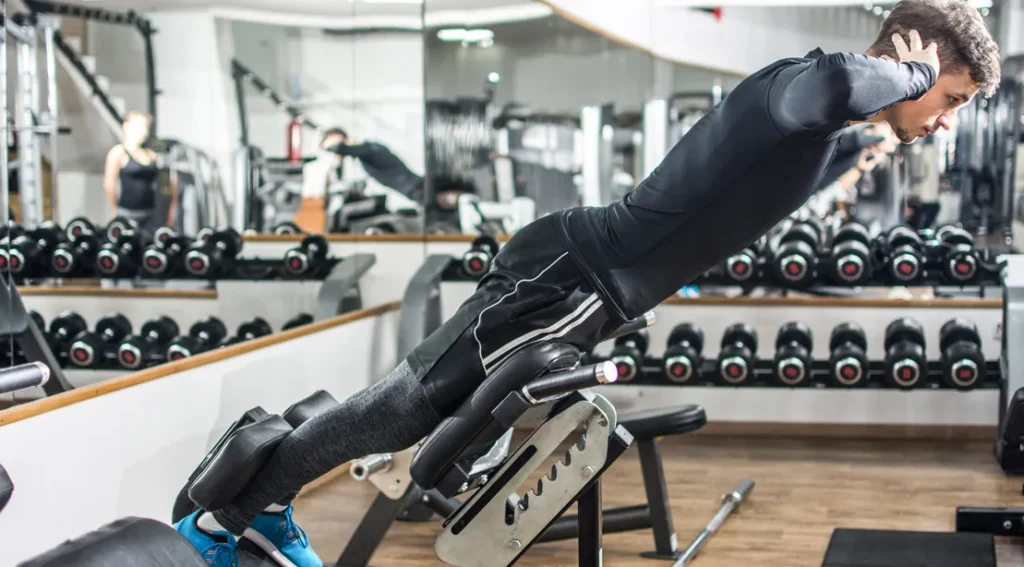
3. Back Extensions (Hyperextensions)
You can do this on a Roman chair or GHD machine.
Keep your spine neutral, lower slowly, and come up by contracting your glutes and spinal erectors. Don’t overextend that’s where people mess up.
Keep it controlled and focused. Add weight only when your body earns it.
4. Deadlifts: With Respect
Deadlifts can build or break your lower back. The secret? Technique.
Set your lats, brace your core, hinge at the hips not your waist. Drive through your heels.
Keep the bar close, spine neutral.
You don’t need to max out to get results. Perfectly executed submaximal loads are more valuable than badly executed ego-driven lifts.
Stretching: The Forgotten Key to Back Strength
Even strong muscles must be able to move effectively. Tight hamstrings or glutes cause your lower back to be forced into uncomfortable positions. Because of this, mobility is equally as important as strength.
Child’s Pose
A gentle reset for your spine. Sit back on your heels and reach your hands out in front of you. Just breathe for a bit. You’ll feel your lower back start to loosen up that slow kind of relief that hits after a long day on your feet.
Cat-Cow
Perfect for mobility days. Move slowly let your spine flex and extend fully.
This keeps the joints healthy and ready for load.
Standing Hamstring Stretch
Simple but essential. Tight hamstrings pull on your pelvis, throwing your alignment off.
Hold each side for 30 seconds after training.
Core Work That Protects Your Lower Back
If your core is weak, your lower back works overtime.
You can’t build true back strength without core stability period.
- Planks: Static, powerful, effective. Start with 30–45 seconds.
- Side Planks: Don’t skip them they hit the obliques, which are key for rotational control.
- Pallof Presses: Great for anti-rotation. Forces your core and lower back to stabilize against resistance.
The goal here isn’t abs it’s stability under pressure.
Habits That Keep Your Lower Back Strong Daily
You can’t out-train bad habits. Here’s what to fix outside the gym:
- Move more: Set reminders to stand every 45 minutes if you sit a lot.
- Sleep right: Support your spine avoid overly soft mattresses or weird angles.
- Warm up properly: Always. A tight lower back before lifting is a ticking time bomb.
- Train the glutes: Strong glutes mean less load on your spine.
Recovery: Where the Real Gains Happen
Back training isn’t about punishment. It’s about longevity.
If you want your lower back to stay strong for life, recovery is non-negotiable.
- Get 7–8 hours of sleep.
- Fuel up with enough protein for muscle repair.
- Hydrate spinal discs need water to stay cushioned.
- And for the love of your spine stretch after every session.
The Mental Game: Patience Builds Strength
Let me say this straight rebuilding or strengthening your lower back takes time.
You don’t fix years of imbalance in a week.
But the payoff? Massive.
When your back gets stronger, everything improves your lifts, posture, even your confidence walking around.
The trick is to stay consistent.
Don’t chase perfection chase progress.
One clean rep, one good stretch, one solid day at a time.
Your lower back will thank you every time you move pain-free.
Final Words: Earn Your Strength, Protect It
You only get one spine. Take care of it.
Train your lower back with intent, respect the process, and don’t skip the fundamentals.
Being strong involves more than just lifting large objects; it also involves resilience, balance, and control.
Additionally, your whole body follows a strong lower back.
Keep showing up, keep training smart, and move like you were built to powerful, stable, and pain-free.
Pingback: Weight Training for Women: The Truth No One Told You
Pingback: Ultimate Guide to Shoulder Workouts for Strength - Let fit it
Pingback: How to Improve Grip Strength: A Guide to Stronger Hands - Let fit it
Pingback: The Truth About Not Losing Weight It’s Not What You Think