
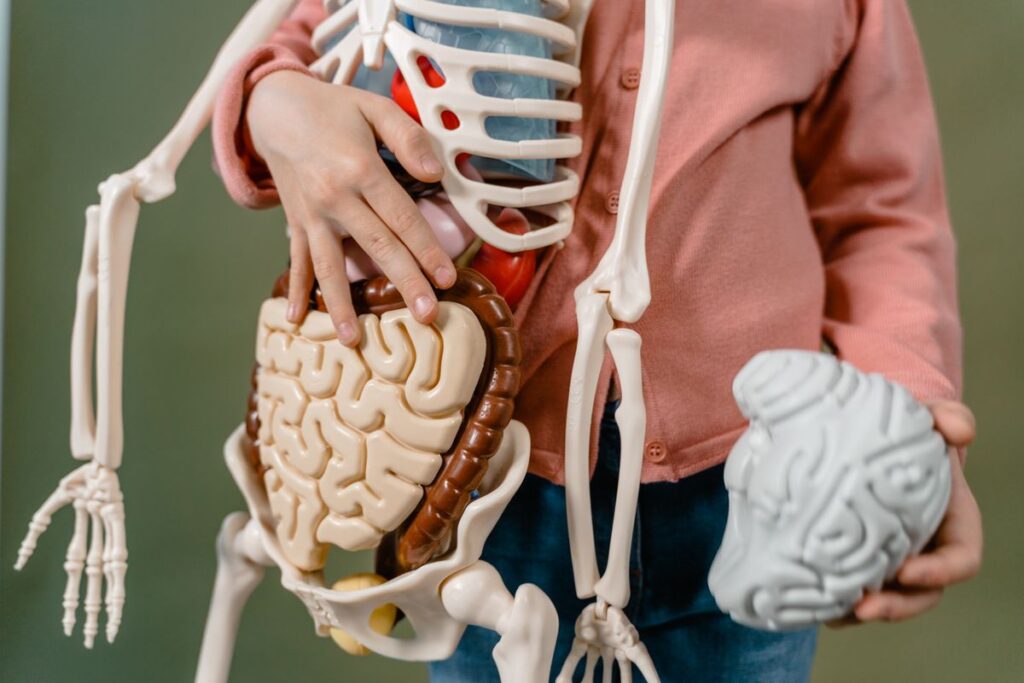
Have you ever felt exhausted even after doing very little? Maybe your mind keeps jumping between unfinished tasks, your shoulders feel tight, or you find yourself getting irritated over small things. Sometimes, even when everything seems fine, your body still feels like something is wrong. These experiences can be connected to how your body responds to stress. Your nervous system constantly processes information from your surroundings and helps you respond to challenges, danger, and everyday activities. When stress becomes frequent, it can be harder to relax and recover. The good news is that nervous system regulation is not about forcing yourself to stay calm all the time. It is about building everyday habits that help your body respond to stress and return to a more relaxed state. From simple breathing exercises to better sleep and mindful movement, small changes can make a meaningful difference.
Let’s explore how to get started.
What Is Nervous System Regulation?
Your nervous system is your body’s communication network. It sends messages between your brain, spinal cord, and the rest of your body. It helps control movement, breathing, heart rate, digestion, attention, and many other functions.
Nervous system regulation refers to the body’s ability to respond appropriately to different situations and adjust after experiencing stress or excitement.
Think about what happens when you suddenly hear a loud noise. Your heart might beat faster, your muscles may tighten, and your attention immediately shifts toward the sound. This is a normal protective response. Once you realize there is no danger, your body can gradually settle down.
However, everyday responsibilities, financial worries, academic pressure, relationship problems, lack of sleep, and constant digital stimulation can create repeated periods of stress. The goal is not to eliminate every stressful experience. That would be unrealistic. Instead, you want to develop healthier ways to handle challenges and give your body enough opportunities to recover.
Understanding the Two Main Stress Responses
Two important parts of your autonomic nervous system are the sympathetic and parasympathetic nervous systems.
| Nervous system | Main role | What you might notice |
|---|---|---|
| Sympathetic nervous system | Prepares the body for action | Faster heartbeat, increased alertness, muscle tension |
| Parasympathetic nervous system | Supports rest and recovery | Slower heartbeat, relaxed body, digestive activity |
The sympathetic system is often associated with the fight-or-flight response. It helps you react when something requires immediate attention.
The parasympathetic system supports processes involved in rest and recovery.
Neither system is bad. You need both. The aim is to maintain flexibility rather than remain in a heightened stress response when a challenge has passed.
Signs Your Nervous System May Be Struggling With Stress
People experience stress differently. One person might become restless, while another may feel tired, distracted, or emotionally overwhelmed.
It is important to understand that these symptoms do not automatically mean you have a nervous system disorder. They can have many possible causes, including medical conditions, lifestyle factors, and mental health concerns.
Here are some common experiences associated with ongoing stress.
1. You Feel Tired Even After Resting
You might sleep for several hours but still wake up feeling mentally exhausted.
Ongoing stress can affect sleep quality, concentration, and energy levels. It may also make it difficult to mentally switch off after a busy day.
2. You Overthink Small Situations
A simple message, an upcoming meeting, or a minor mistake can occupy your thoughts for hours.
You may repeatedly imagine different outcomes or worry about situations that have not happened.
3. You Feel Irritated More Easily
Small inconveniences may suddenly feel much bigger than they actually are.
You might become impatient during conversations, feel overwhelmed by noise, or struggle to manage unexpected changes.
4. Your Body Feels Constantly Tense
Stress can show up physically.
Common experiences include:
- Tight shoulders and neck muscles.
- Jaw clenching.
- Headaches.
- Stomach discomfort.
- Restlessness.
- Changes in appetite.
- Difficulty falling asleep.
5. You Struggle to Concentrate
You sit down to study or work, but your attention keeps moving elsewhere.
You may read the same paragraph several times, forget small tasks, or feel mentally overloaded.
The US Centers for Disease Control and Prevention explains that prolonged stress can affect sleep, appetite, concentration, energy, and physical well-being. The important thing is to notice patterns rather than diagnose yourself based on one symptom. You can also explore the CDC’s recommendations for healthy ways to manage everyday stress.
10 Natural Ways to Regulate Your Nervous System
You do not need an expensive wellness routine, special equipment, or complicated supplements to begin improving your stress-management habits.
Start with simple practices that fit into your normal day.
1. Practice Slow, Comfortable Breathing
Breathing is one of the easiest ways to bring attention back to your body.
When people experience stress, their breathing may become faster or shallower. Slowing it down gently can encourage relaxation and help you feel more in control. For additional guidance, the NHS explains how to practice a calming breathing technique for stress and anxiety.
Try this beginner-friendly breathing exercise:
The five-minute breathing practice
- Sit comfortably with your feet resting on the floor.
- Relax your shoulders and unclench your jaw.
- Breathe in gently through your nose.
- Allow your abdomen to expand naturally.
- Slowly breathe out through your mouth.
- Repeat without forcing your breath.
You can try counting from one to five while breathing in and again while breathing out.
Continue for approximately five minutes if comfortable.
A useful trick: Practice this before opening your laptop, after returning home from work, or before going to bed. You do not have to wait until you feel overwhelmed.
If you become dizzy, uncomfortable, or breathless, stop and return to your normal breathing.
2. Get Outside and Walk Every Day
Walking is one of the most underrated ways to support mental and physical health. You do not need to run, complete a difficult workout, or reach a particular step count. A comfortable walk can give you a break from screens, provide a change of environment, and help release physical tension. If you want to explore another structured walking approach, learn about walking as part of a healthy daily routine.
Try this simple routine:
- Morning: Take a 10-minute walk after waking up.
- Afternoon: Walk for 5–10 minutes after a long sitting session.
- Evening: Take a relaxed walk after dinner.
If you have a busy schedule, start with just 10 minutes.
Walking outdoors can be especially helpful when you spend most of your day studying, working, or using your phone.
Try this: Leave your headphones at home occasionally. Pay attention to the surroundings, the sounds around you, and the feeling of your feet touching the ground.
The purpose is to give your attention a break from constant stimulation.
3. Improve Your Sleep Routine
Sleep and stress influence each other.
When you experience stress, falling asleep can become difficult. Poor sleep can then make it harder to manage emotions and everyday challenges.
This creates a frustrating cycle.
Instead of trying to completely change your sleep schedule overnight, build a simple nighttime routine.
A 30-minute wind-down routine:
| Time | Activity |
|---|---|
| 30 minutes before bed | Reduce screen use and stop checking work messages |
| 20 minutes before bed | Prepare your clothes and organize tomorrow’s tasks |
| 10 minutes before bed | Read, stretch gently, or practice slow breathing |
| Bedtime | Keep your room dark, quiet, and comfortable |
Additional sleep tips:
- Try to sleep and wake up at consistent times.
- Avoid heavy meals immediately before bedtime.
- Reduce caffeine intake later in the day.
- Keep your bedroom comfortable.
- Avoid using your bed as a workspace.
Most adults need at least seven hours of sleep each night, although individual needs can vary.
Do not worry if you cannot follow the routine perfectly. Consistency matters more than creating a perfect nighttime schedule.
4. Use Grounding Techniques When You Feel Overwhelmed
Have you ever been physically present somewhere but mentally stuck in a stressful situation?
Grounding exercises can help redirect your attention toward the present moment.
One popular method is the 5-4-3-2-1 grounding technique.
How to perform it:
- 5 things you can see.
- 4 things you can physically feel.
- 3 things you can hear.
- 2 things you can smell.
- 1 thing you can taste.
For example, if you are sitting at your desk, you might notice:
- Five objects around your room.
- Four physical sensations, such as your feet on the floor or your back against the chair.
- Three sounds, such as a fan, birds, or distant traffic.
- Two smells.
- One taste in your mouth.
Take your time with each step.
This technique does not make stressful situations disappear. Instead, it gives your attention something concrete to focus on when your thoughts feel overwhelming.
It can be particularly useful before presentations, during stressful study sessions, or after an emotionally difficult conversation.
5. Try Gentle Stretching and Muscle Relaxation
Stress is not only a mental experience. It can also affect how your body feels.
You may unknowingly hold tension in your shoulders, neck, back, hands, or jaw.
Gentle stretching and progressive muscle relaxation can help you become more aware of that tension.
Try this five-minute routine:
- Neck relaxation: Slowly turn your head from side to side without forcing the movement.
- Shoulder rolls: Move your shoulders forward and backward several times.
- Hand relaxation: Open your hands, gently make a fist, and release.
- Back stretch: Reach your arms forward and gently stretch your upper back.
- Leg relaxation: Stretch your calves and thighs comfortably.
You can also try progressive muscle relaxation. This involves gently tightening a muscle group for a few seconds and then releasing it.
For example, gently tense your hands, release them, and notice the difference. Repeat with your shoulders, legs, and other comfortable muscle groups. Avoid painful movements or holding tension too strongly.
The objective is relaxation, not another workout. The National Center for Complementary and Integrative Health also explains different relaxation techniques for stress management.
6. Reduce Constant Digital Stimulation
Your phone might be the first thing you reach for in the morning and the last thing you look at before sleeping.
Notifications, short videos, news updates, emails, and social media can keep your attention switching between different sources of information.
This does not mean that smartphones are inherently harmful. The problem is when digital activity leaves little room for rest, focus, and real-world interaction.
Try creating a few phone-free moments throughout your day.
The simple digital reset:
- Avoid checking social media immediately after waking up.
- Turn off unnecessary notifications.
- Take short breaks from screens.
- Avoid scrolling while eating.
- Keep your phone away from your bed when possible.
- Set specific times to check messages.
One practical trick is to create a 20-minute phone-free period after returning home.
Use that time to eat, shower, walk, stretch, or talk with someone.
You may find that reducing unnecessary screen interruptions makes it easier to focus on one activity at a time.
7. Eat Regularly and Stay Hydrated
Food is not a magic solution for stress, but your everyday eating habits can influence your energy, mood, and general well-being.
Skipping meals, relying heavily on sugary snacks, or drinking too much caffeine may leave you feeling uncomfortable or make it harder to maintain a consistent routine.
Focus on balanced meals instead of searching for a special nervous system diet.
Foods to include regularly:
| Food group | Examples | Why include them? |
|---|---|---|
| Protein | Eggs, chicken, fish, lentils, beans | Supports normal body functions and helps make meals satisfying |
| Whole grains | Oats, brown rice, whole-wheat roti | Provides energy and dietary fiber |
| Fruits | Bananas, apples, oranges, berries | Provides vitamins, minerals, and fiber |
| Vegetables | Spinach, carrots, broccoli | Supplies essential nutrients |
| Healthy fats | Nuts, seeds, olive oil | Provides essential fatty acids |
| Dairy or alternatives | Milk, yogurt, fortified alternatives | Can provide protein and calcium |
You do not need to purchase expensive imported foods. Simple meals made with eggs, roti, vegetables, lentils, yogurt, and seasonal fruit can be part of a balanced eating pattern.
Hydration tip: Keep a water bottle near your desk and drink regularly throughout the day. Your fluid needs depend on your activity level, climate, and individual circumstances.
Also, pay attention to caffeine. If coffee, energy drinks, or strong tea make you feel jittery or interfere with sleep, consider reducing the amount or avoiding them later in the day. For more practical meal inspiration, check out these balanced desi meals for everyday nutrition.
8. Spend Time With People You Trust
Sometimes, the best thing you can do after a difficult day is talk to someone who listens without judging you.
Healthy social connections can support emotional well-being and help you manage stressful experiences.
You do not need to share every personal detail.
A simple conversation with a friend, sibling, parent, or trusted colleague can make you feel less isolated.
Try these small habits:
- Have a proper conversation instead of only exchanging messages.
- Eat a meal with family or friends.
- Share something that has been bothering you.
- Spend time with people who respect your boundaries.
- Ask for help when a situation feels difficult to manage.
If you are not comfortable talking about your problems, you can still spend time together doing an enjoyable activity.
Connection does not always require a serious conversation.
9. Practice Mindfulness Without Trying to Empty Your Mind
Many people avoid meditation because they believe they must stop thinking completely.
That is not the goal.
Mindfulness involves paying attention to the present moment and noticing thoughts, feelings, and physical sensations without immediately reacting to them.
Start with two minutes.
Beginner mindfulness exercise:
- Sit somewhere comfortable.
- Notice the feeling of your feet touching the floor.
- Pay attention to your natural breathing.
- When a thought appears, acknowledge it.
- Gently bring your attention back to your breathing.
Your mind will wander. That is normal.
You are not failing when you notice yourself thinking about tomorrow’s responsibilities.
Simply return your attention to the present.
You can practice mindfulness while eating, walking, drinking tea, or washing dishes.
The goal is to develop awareness rather than achieve a perfectly quiet mind.
10. Give Yourself Real Breaks Throughout the Day
Many people treat rest as something they deserve only after finishing every task.
Unfortunately, the task list rarely ends.
If you spend hours studying, working, or managing responsibilities without breaks, mental fatigue can build up.
Try the following approach:
The 50-10 work-rest method
- Work or study for 50 minutes.
- Take a 10-minute break.
- Stand up and move around.
- Drink water.
- Relax your eyes.
- Return to your task when ready.
If 50 minutes feels too long, try 25 minutes of focused work followed by a five-minute break. During breaks, avoid automatically replacing your work screen with social media. A short walk, gentle stretch, or quiet moment can provide a more meaningful change of activity. Remember, rest is part of a productive routine, not a reward you have to earn.

A Simple Daily Nervous System Regulation Routine
You do not have to practice all ten techniques every day.
The easiest way to build consistency is to attach a few habits to activities you already perform.
Here is a beginner-friendly routine you can follow.
| Time | Activity | Duration |
|---|---|---|
| After waking up | Drink water and avoid immediate social media scrolling | 5 minutes |
| Morning | Gentle breathing exercise | 5 minutes |
| Before work or study | Take a short outdoor walk | 10 minutes |
| During the day | Stretch and take screen breaks | 5–10 minutes |
| Afternoon | Eat a balanced meal and hydrate | Regular meal break |
| Evening | Walk or do gentle movement | 10–20 minutes |
| Before sleeping | Reduce screen use and relax | 20–30 minutes |
Adjust the routine according to your responsibilities.
If you are a student, you might practice breathing before studying and take a short walk between classes.
If you work at a desk, try stretching between meetings and taking a phone-free lunch break.
The best routine is the one you can realistically maintain.
The 7-Day Natural Stress Management Challenge
Want to put these ideas into practice?
Try this simple seven-day challenge. You do not need to complete every activity perfectly.
| Day | Daily focus | What to do |
|---|---|---|
| Day 1 | Awareness | Notice when you feel stressed and identify common triggers |
| Day 2 | Breathing | Practice comfortable slow breathing for five minutes |
| Day 3 | Movement | Take a 10–15-minute walk |
| Day 4 | Digital habits | Create one phone-free period |
| Day 5 | Sleep | Establish a consistent bedtime routine |
| Day 6 | Connection | Spend meaningful time with someone you trust |
| Day 7 | Reflection | Review the habits that helped you feel better |
How to Track Your Progress
At the end of each day, write down three things:
- What made me feel stressed today?
- What did I do to manage it?
- Which activity helped me feel more comfortable?
You can also rate your perceived stress from 1 to 10.
This is not a medical assessment. It is simply a way to notice patterns over time.
For example:
| Day | Stress rating | What helped? |
|---|---|---|
| Monday | 8/10 | Walking outdoors |
| Tuesday | 6/10 | Better sleep routine |
| Wednesday | 5/10 | Breathing exercise |
| Thursday | 7/10 | Talking to a friend |
| Friday | 5/10 | Taking breaks |
Your ratings may go up and down. That is normal. The purpose is to understand your habits, not achieve a perfect score.
What Can Make Stress and Recovery More Difficult?
Sometimes, people try several relaxation techniques but still struggle to feel better.
That does not mean they are doing something wrong.
It may mean that other lifestyle factors or ongoing stressors need attention.
Here are some common habits worth reviewing.
1. Too Much Caffeine
Coffee, tea, energy drinks, and some soft drinks contain caffeine.
Excessive caffeine can contribute to restlessness, a racing heartbeat, and sleep problems in some people.
Consider reducing your intake if you notice these effects.
2. Irregular Sleep
Sleeping at very different times every night can make it harder to maintain a consistent routine.
Try to establish regular sleeping and waking times.
3. Constant Multitasking
Switching between messages, assignments, videos, and work tasks can make it harder to maintain attention.
Try completing one important task before moving to another.
4. Avoiding Every Stressful Situation
Taking a break can be helpful, but avoiding every situation that makes you uncomfortable may reinforce anxiety over time.
When appropriate, approach manageable challenges gradually rather than forcing yourself into overwhelming situations.
5. Expecting Instant Results
You might complete one breathing exercise and expect every stressful feeling to disappear.
Realistically, relaxation techniques affect people differently.
Some activities may help immediately, while others become more useful with regular practice.
You do not need to feel completely calm after every session for a habit to be worthwhile.
Does Exercise Help Regulate the Nervous System?
Yes, regular physical activity can support mental health, improve sleep, and help manage stress.
However, you do not need to push yourself through intense workouts to receive these benefits. Choose activities you enjoy and can perform comfortably. If you enjoy energetic workouts, explore these beginner-friendly workout routines to discover another way to stay active.
Examples include:
- Walking.
- Cycling.
- Swimming.
- Dancing.
- Yoga.
- Light resistance training.
- Recreational sports.
If you are new to exercise, begin with shorter sessions and gradually increase your activity.
A simple weekly movement plan could look like this:
| Day | Activity |
|---|---|
| Monday | 20-minute walk |
| Tuesday | Gentle stretching |
| Wednesday | 20-minute walk |
| Thursday | Beginner strength workout |
| Friday | Relaxed outdoor walk |
| Saturday | Cycling or another enjoyable activity |
| Sunday | Rest or gentle movement |
You can adjust the plan according to your fitness level.
If you already train regularly, remember that recovery matters too. Poor sleep, insufficient food, and excessive training can make it harder to feel refreshed.
For more beginner-friendly movement ideas, explore our guides on mobility exercises and walking.
How Long Does It Take to Regulate Your Nervous System?
There is no universal timeline.
Some people feel more comfortable after a few minutes of gentle breathing or grounding. Others may need several weeks of consistent lifestyle changes before noticing improvements in sleep, stress management, or daily functioning.
It depends on many factors, including:
- The source and duration of stress.
- Your sleeping habits.
- Physical health.
- Daily responsibilities.
- Available social support.
- Existing mental health conditions.
- How consistently you practice helpful habits.
Avoid comparing your progress with someone else’s.
Instead of asking, “How quickly can I fix my nervous system?” ask yourself, “What can I do today to support my well-being?”
That is a more realistic starting point.
When Should You Seek Professional Help?
Natural stress-management techniques can be useful, but they are not a replacement for professional mental health care.
Consider speaking with a qualified healthcare professional or mental health practitioner if:
- Anxiety or stress is affecting your daily responsibilities.
- You regularly struggle to sleep.
- You experience persistent sadness or loss of interest.
- You find it difficult to manage normal activities.
- You experience repeated panic episodes.
- Your symptoms continue or become more severe.
- You rely on unhealthy coping habits to get through the day.
A professional can help identify possible causes and recommend appropriate support, including therapy or medical evaluation when necessary.
You do not have to wait until things become unbearable before asking for help.
Frequently Asked Questions
1. How can I regulate my nervous system naturally?
Start with simple habits such as slow breathing, regular walking, consistent sleep, balanced meals, mindfulness, and meaningful social connections. Practice them regularly and choose activities that feel comfortable and sustainable.
2. What are the signs of nervous system dysregulation?
People experiencing ongoing stress may notice sleep difficulties, irritability, muscle tension, concentration problems, restlessness, or fatigue. However, these symptoms have many possible causes and do not establish a diagnosis by themselves.
3. What is the fastest way to calm your nervous system?
A comfortable breathing exercise or grounding technique may help you feel calmer in the moment. Try breathing gently, relaxing your shoulders, and noticing your surroundings. Stop if the exercise causes discomfort.
4. Does walking help regulate the nervous system?
Walking can support physical and mental well-being, improve sleep, and provide a break from stressful environments. Even a short daily walk is a useful starting point if you are currently inactive.
5. Can poor sleep affect nervous system regulation?
Poor sleep can make emotional regulation and stress management more difficult. Maintaining a consistent sleep schedule, reducing late-night screen use, and creating a comfortable sleeping environment can help support better sleep.
6. What foods help support nervous system health?
There is no single food that instantly regulates your nervous system. A balanced eating pattern containing vegetables, fruits, whole grains, protein sources, healthy fats, and adequate fluids supports overall health.
7. Can breathing exercises reduce anxiety?
Slow, comfortable breathing may help reduce feelings of tension and encourage relaxation. Breathing exercises are useful self-management tools, but they are not a substitute for professional anxiety treatment when needed.
8. Is nervous system regulation the same as relaxation?
Not exactly. Relaxation is one part of the process. Regulation also involves responding appropriately to challenges, managing emotional reactions, and recovering after stressful experiences.
9. Can you regulate your nervous system while working or studying?
Yes. You can practice short breathing exercises, take movement breaks, stretch your shoulders, reduce unnecessary notifications, and use grounding techniques without interrupting your entire schedule.
10. Should I practice nervous system exercises every day?
You can practice comfortable techniques regularly if they suit you. Start with a few minutes of breathing, walking, or mindfulness and build a routine that fits your lifestyle. Consistency is more important than doing everything at once.
Conclusion: Build Small Habits for Better Stress Management
Learning to support your nervous system does not require a complicated routine or a complete lifestyle transformation.
Start by understanding how stress affects you. Practice comfortable breathing, get outside for a walk, improve your sleep habits, eat balanced meals, and create space for genuine rest. Most importantly, give yourself time.
Nervous system regulation is about developing healthier responses to everyday challenges, not eliminating stress or forcing yourself to feel happy all the time. Pick two or three habits from this guide and practice them consistently over the next seven days. Notice what helps, adjust what does not, and build from there. Your mental well-being deserves the same attention as your physical fitness.